
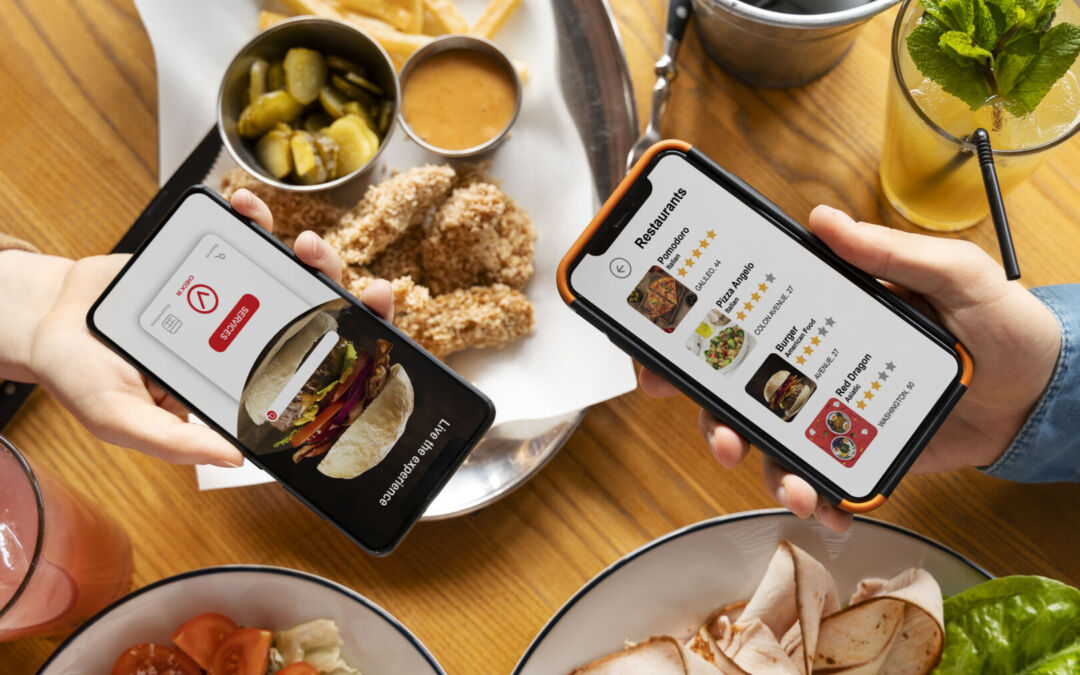
For decades, technology has transformed the way we people do business, and that is no different for the hospitality industry. One of the latest trends to arise is that of contactless dining. The practicalities of this technology came to the fore during the pandemic, when restaurants sought ways to reduce interactions among diners and staff. However, for many operations, it has continued to play an important role in how they do business since then. From QR-code menus to mobile ordering and tap-to-pay, digital touchpoints are reshaping how guests interact with foodservice brands. For restaurants, the question is no longer whether contactless dining exists, but how much of it makes sense for their restaurant, clientele, and menu. Today, we will explore the advantages and challenges of contactless dining and what Canadian restaurants should consider when deciding whether or not to implement it.
What Is Contactless Dining?
Contactless dining refers to technology-driven experiences that minimize interpersonal interaction between guests and staff. Common examples include:
- QR-code menus accessed via smartphones
- Mobile ordering and payment
- Self-serve kiosks
- Digital receipts instead of printed bills
In many Canadian markets, these tools are now expected—especially in urban centres, fast-casual concepts, and high-traffic locations.
The Benefits of Contactless Dining for Restaurants
Improved Operational Efficiency
Contactless systems can streamline front-of-house operations by reducing time spent on menu explanations, order taking, and payment processing. This allows staff to focus more on food quality, hospitality, and order accuracy.
For busy kitchens, fewer touchpoints can mean:
- Faster table turns
- Reduced ordering errors
- Better coordination between FOH and BOH
Enhanced Guest Control and Convenience
In certain establishments, guests appreciate the ability to browse menus at their own pace, customize orders, and pay when they’re ready—without waiting for staff availability. Contactless dining can speed up service for time-constrained diners, cut down on wait times, and also appeals to tech-savvy, younger customers.
Easier Menu Updates and Promotions
Digital menus allow restaurants to update pricing, items, and promotions instantly—an important advantage as food costs fluctuate. Seasonal features, limited-time offers, or allergen updates can be rolled out without reprinting costs.
For brands offering fresh pasta, sauces, or value-added Italian menu solutions, this flexibility helps operators stay responsive while protecting margins.
The Challenges of Contactless Dining
Loss of Personal Connection
Hospitality is still at the heart of the dining experience. Over-reliance on technology can take away from the community aspect of dining, especially in full-service or family-style restaurants where familiarity and relationships matter. For many Canadians, dining out means so much more than just food. It’s about feeling welcome and at home in an establishment that values your custom. Menu recommendations, friendly exchanges, and feeling part of a community are all important aspects of the experience that can be lost with technology. If your restaurant shares these values, contactless dining may not be the right fit for your operation.
Accessibility and Inclusivity Concerns
Something else to consider is that not all guests are comfortable using smartphones or digital platforms. Older diners, tourists without data access, or guests with accessibility needs may struggle with fully contactless systems.
Here are some key points we feel restaurant owners implementing contactless services must consider:
- Clear alternatives to digital menus
- Staff support when needed
- Compliance with accessibility standards
Upfront Costs and Ongoing Maintenance
While contactless systems can improve efficiency, they come with costs—software subscriptions, hardware, training, and troubleshooting. Technology failures during service can disrupt operations and frustrate guests, and if something of this nature happens, staff may not be in a position to pick up the slack. Successful incorporation of this technology requires reliable, user-friendly systems, staff training and backup plans, regular updates, and, not to mention, frequent tech support. What’s more, all of this comes at a cost.
Menu Design Becomes Even More Critical
Digital ordering removes the opportunity for staff to upsell or clarify menu items in person. That means menu descriptions, photography, and structure do most of the heavy lifting. Skilled waiting staff are in constant communication with their kitchen, know when to push dishes, and when diners may appreciate extras. In traditional restaurant environments, this skill set is particularly important.
Finding the Right Balance
For most Canadian restaurants, the best approach is perhaps hybrid dining—using contactless tools to enhance convenience without eliminating human interaction.
Effective strategies include:
- Offering QR menus alongside printed versions
- Allowing mobile payment but keeping table service
- Using technology to support staff, not replace them
When paired with high-quality ingredients and consistent execution, contactless dining can complement, not compromise, the guest experience.
Our Verdict
Contactless dining is not going anywhere any time soon. It is clear that in certain operations, it offers unique opportunities for efficiency, streamlining day-to-day operations without diminishing customer experience. However, like all new inventions, it’s important to factor in potential pitfalls. Like any tool, its value depends on how it’s used. Canadian hospitality is renowned for its warmth, quality, and community-oriented experience. The goal should be efficiency without losing the very things that make us who we are. What’s more, at Olivieri Foodservice, we understand that great dining experiences start with dependable products and flexible solutions that work in real kitchens—whether orders come through a server, a kiosk, or a QR code. As the industry continues to evolve, balancing innovation with hospitality will remain the key to long-term success.
For more industry insight and kitchen tips, make sure to check out our Blog.